
Turning Europe’s Plastic Waste into Food Packaging
Flexible plastics must be recycled: 16 Partners Launch InFACT Project
Press Release - june 2026
Nestlé, Arcus, Interzero, and thirteen other leading companies are joining forces in a landmark project to turn household plastic waste into new packaging - including food packaging - as Europe tightens requirements for recyclability and recycled content.
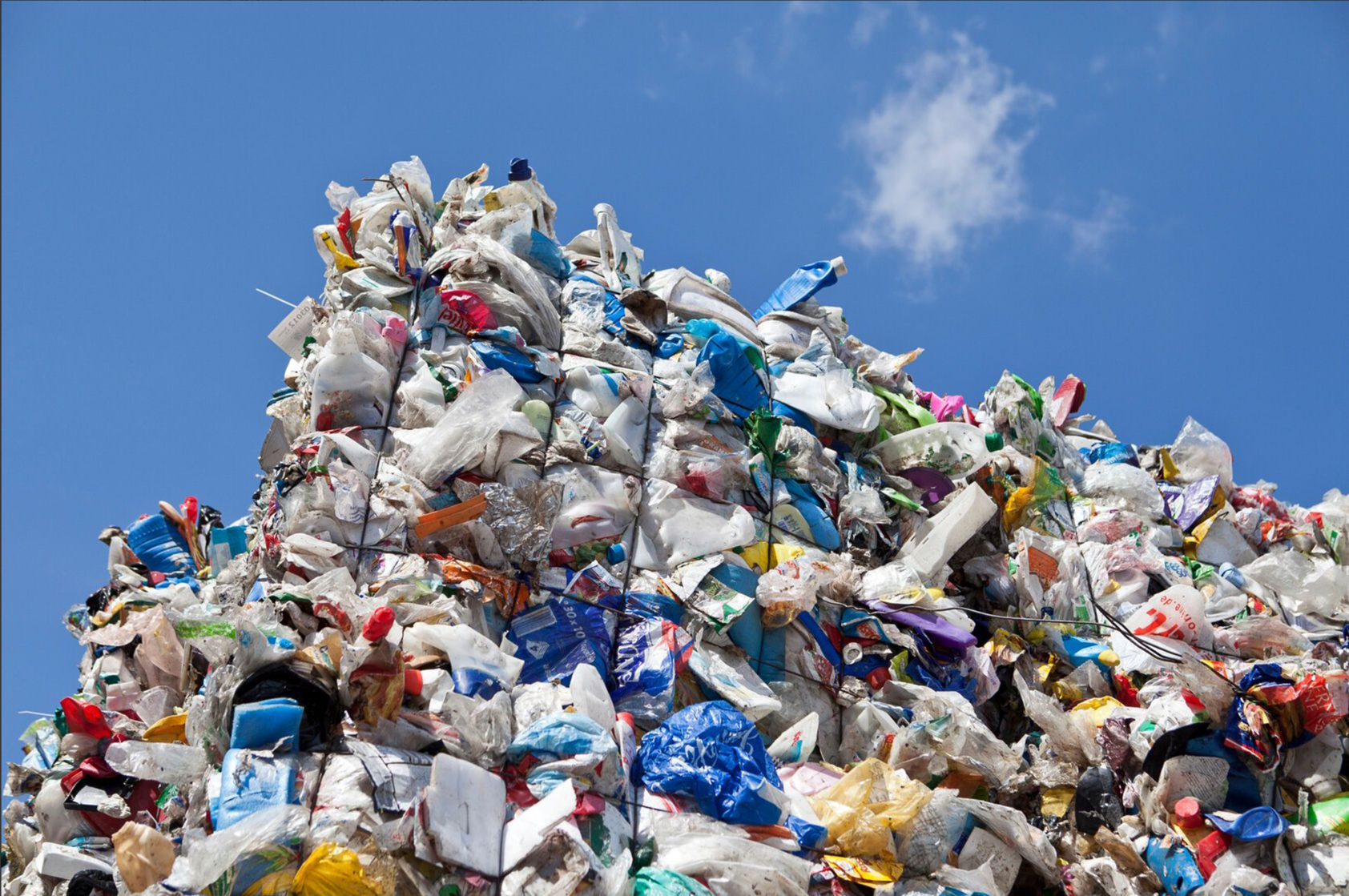
Every year, vast quantities of flexible plastic packaging — coffee bags, meat packaging films, crisp packets and confectionery wrappers — are incinerated or downcycled into lower-value products rather than recycled into new packaging. Today, less than 15 percent of this packaging type is recycled, despite accounting for nearly half of all plastic packaging placed on the European market. InFACT aims to change that.
A complete value chain from bin to shelf
"We have brought together partners covering the entire chain from household waste bins to supermarket shelves. That is essential if we are to build a circular infrastructure that works technologically, environmentally and economically," says Per Sigaard Christensen, Business Manager at Danish Technological Institute.
FACTS ABOUT InFACT
- InFACT stands for Infrastructure for the Flexible plastic pAckaging Circular Transition
- Project period: 2026–2028
- Total budget: EUR 3.2 million
- Funded by Innovation Fund Denmark via the TRACE program, a mission-driven research and innovation partnership focused on circular economy for plastics and textiles.
- Goal: Demonstrate circular infrastructure in which flexible plastic packaging is converted into new packaging
- Partners: Nestlé Danmark A/S, BKI foods A/S, Hilton Foods Denmark A/S, Cloetta AB, City of Copenhagen, Interzero GmbH, TotalEnergies, Fraunhofer IVV, ARCUS Greencycling Technologies, Re:Lab AB, Topsoe, Coveris GmbH, Dapofa A/S, University of Southern Denmark, VANA and Danish Technological Institute
Read more
About the author
Annika Lindberg
TRACE Strategic Program Manager