
CircleHealth
CIRCULARITY OF PLASTICS AND TEXTILES IN THE HEALTHCARE SECTOR
Lead Organization: Roskilde University
Project Period: January 2023 – December 2026
Pool: TRACE Pool 1
Project Status: In Progress
CircleHealth is an interregional project focusing on plastics and textiles, aiming to implement circular economy principles in the Danish hospital sector over four years. In the project, we work across the value chain and have a broad range of partners, including three out of five regions, four knowledge institutions, two suppliers, and one waste handler. We specifically work with three products in the project: Non-sterile examination gloves, the white uniform (textile), and EPS (expanded polystyrene) boxes, throughout their life cycle. The Danish healthcare sector account for 6% of the total Danish CO2 emissions, and recently it has become an overarching goal for all regional hospitals to actively work on reducing the hospitals' total CO2 emissions - specifically by 50% by 2035 (compared to 2022). Circular economy is highlighted as a way to achieve this.
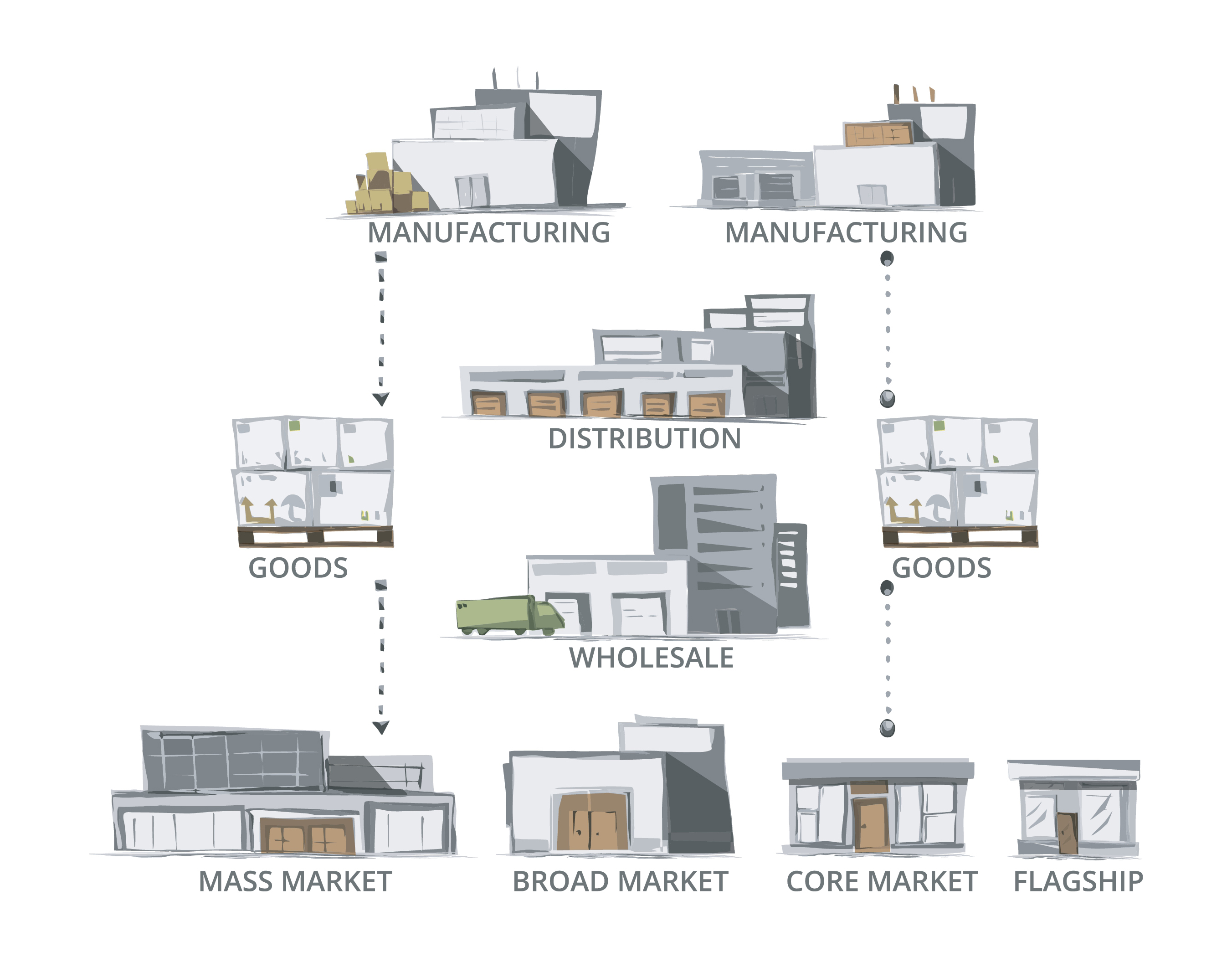
The project aims to map and analyze product flows within the healthcare value chain, with the objective of proposing initiatives across the value chains for minimizing CO2 emissions. Focal areas include design, consumption patterns and behaviours, public procurement as a driver for innovation and better utilization of end-of-life products.
Participating partners:
Aarhus University, Design School Kolding, Technical University of Denmark, Roskilde University, MidtVask, Abena, Gate21, BEWI, Region Sjælland, Region Midt, and Region Hovedstaden.
WHAT WE WORK WITH
In this project, we work across the value chain with a diverse group of partners, including three out of five regions, four knowledge institutions, two suppliers, and a waste receiver. We're specifically working with three products throughout their lifecycle:

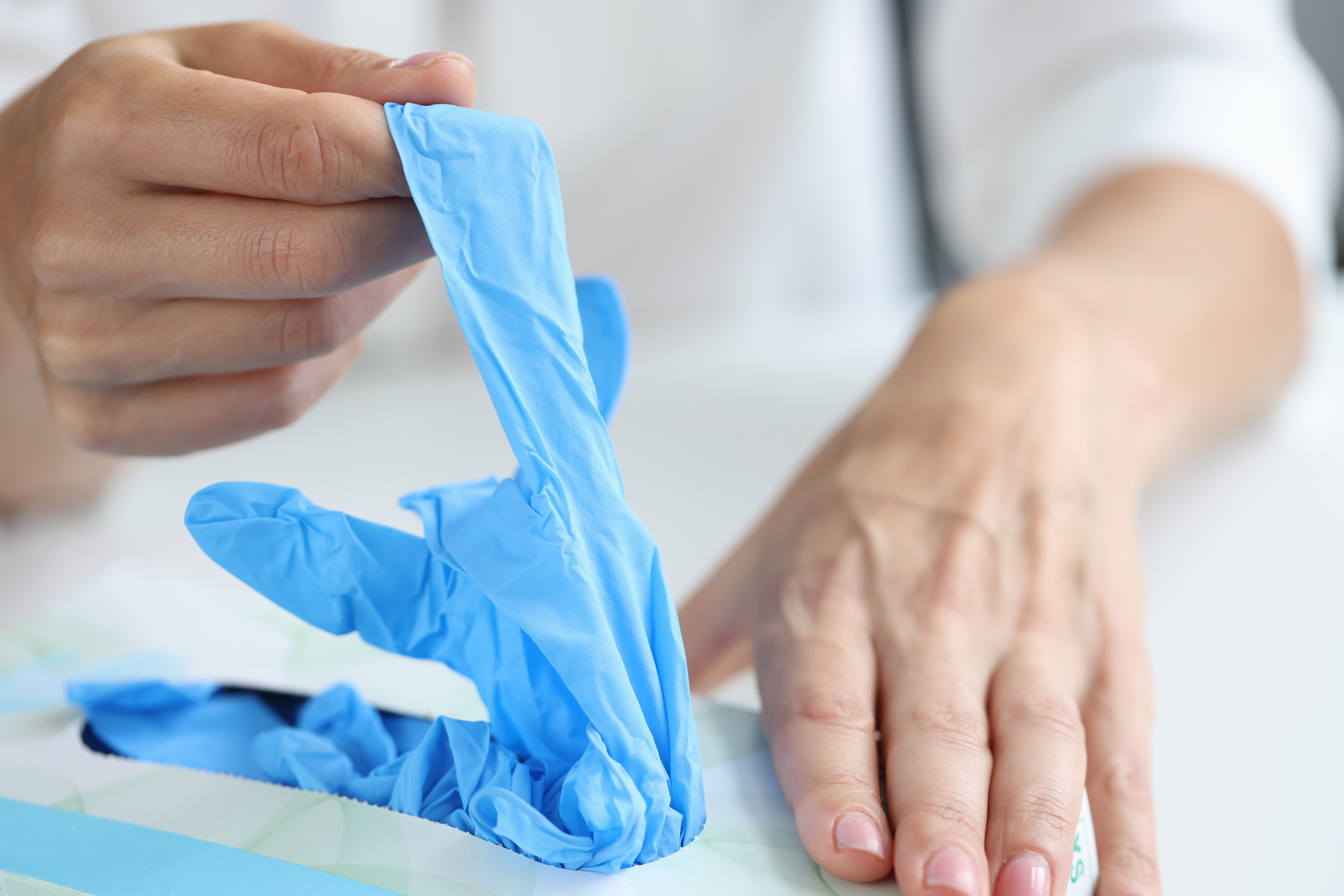
- Non-sterile examination gloves
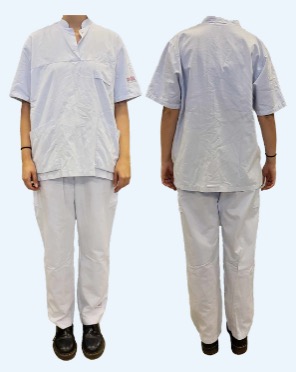
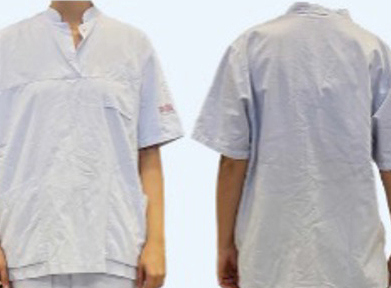
- White uniforms (textiles)
- EPS (expanded polystyrene) packaging boxes
THE WAY WE WORK
Methodologically, CircleHealth works within various disciplines across partner universities and through the project's additional actors. It's crucial for the continuous methodological approach that project deliverables make sense in practice and that project partners feel ownership and see value in the collaboration. Our monthly status meetings throughout the project, as well as bilateral meetings in the four work packages, ensure good communication and that partners have the opportunity to contribute, wonder, and provide updates.
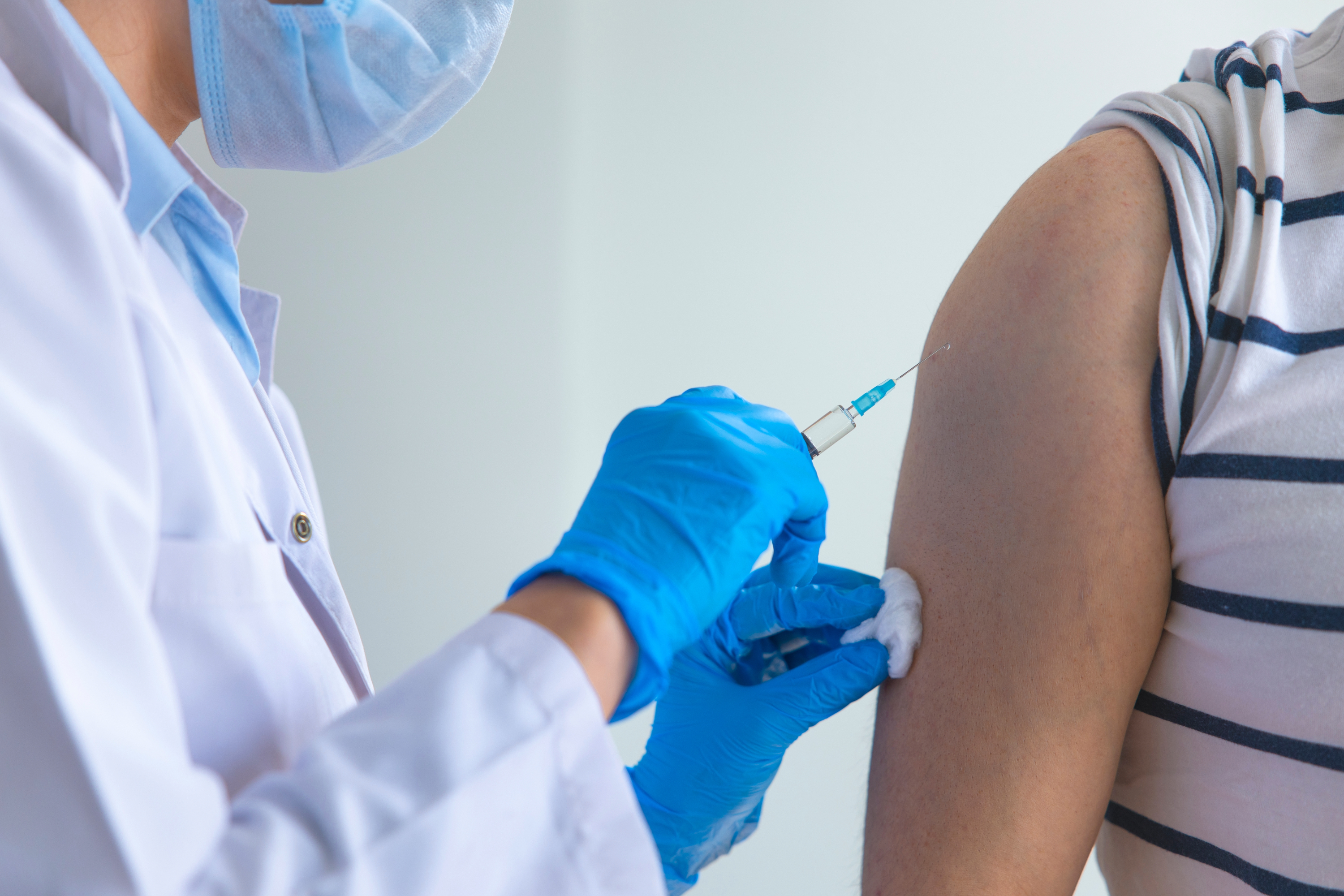
From a research perspective, we emphasize that the user group plays a crucial role in the product lifecycle. Therefore, we use mixed methods combining qualitative and quantitative data to understand the opportunities and barriers to reducing the use of non-sterile disposable gloves as well as the white uniform in hospitals in Region H, Region M, and Region Sj.


 Markedsdialog om genbrugelige handsker
Project Leader

Kristian Syberg
Mail: ksyberg@ruc.dk
Other Common Projects


