
Potentially breakthrough for PETfection
Process recycles 99% of PET from households
Project results
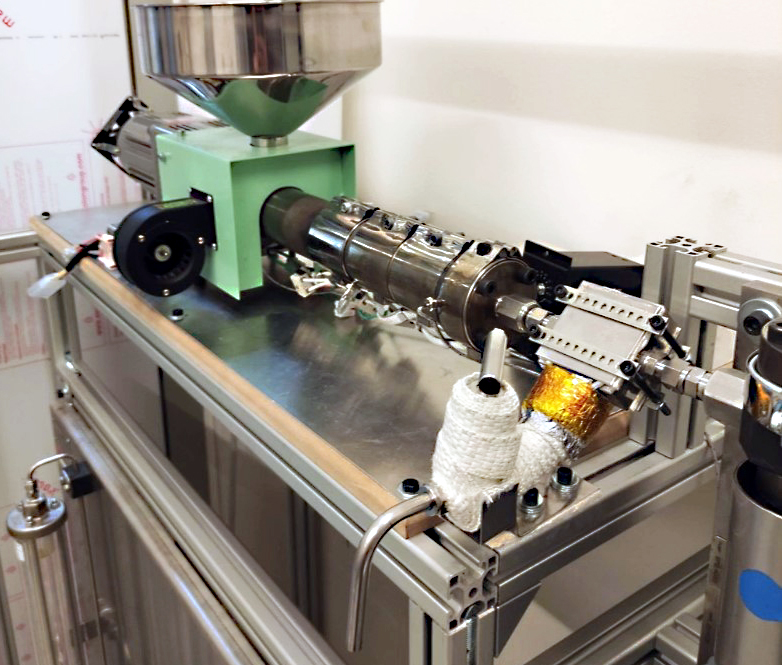
The flow reactor at Aalborg University could be a breakthrough in the recycling of PET (polyethylene terephthalate) from household waste.
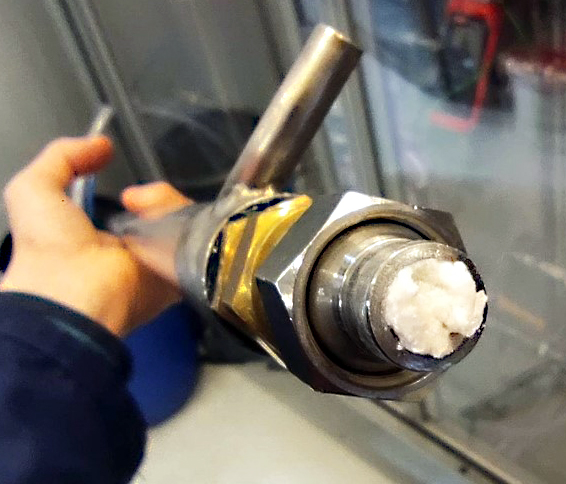
The TRACE project, named PETfection, has made significant progress toward converting PET from household plastic waste into high-quality recycled PET (rPET). Aalborg University's prototype flow reactor can convert 99 % of household PET using hot water at approximately 280 °C, with water being the only byproduct. The solid product can then be used to manufacture new virgin-grade rPET. This innovation has the potential to significantly improve both the quality and quantity of rPET compared to current mechanical recycling processes.
"We have reached 'proof of concept," says Thomas Helmer Pedersen, project manager at Aalborg University.
While this high level of recycling has been achieved using clean plastic, equally promising results have been obtained with contaminated PET. In the future, the PETfection project plans to clean and reuse the water in the process, minimizing wastewater.
Great potential
Globally, around 25 million tons of PET are produced each year. While a significant portion is used in plastic bottles within an established circular system driven by deposit schemes, large amounts of PET remain in other household food packaging that ends up in mixed solid waste. As PET-based packaging increasingly replaces plastics like PE (polyethylene) and PP (polypropylene), the need for efficient PET recycling grows. This shift underscores the immense potential of projects like PETfection, which is built on over a decade of polymer research and aims to enhance PET recycling and conversion to virgin-grade materials.
The partnership works
The PETfection project is a collaboration among Aalborg University, Aarhus University, Roskilde university, as well as Dansk Affaldsminimering, Cirkulær, and Geminor. These institutions are working together to overcome challenges in PET recycling, starting from the collection and sorting of the waste. Since household packaging is often contaminated, much PET ends up being incinerated today.
To address this, Dansk Affaldsminimering has developed a system that sorts PET into cleaner fractions, while Geminor recently built Denmark's largest sorting facility. The project aims to determine if experience from Dansk Affaldsminimering can be applied on a larger scale to improve PET sorting and recycling.
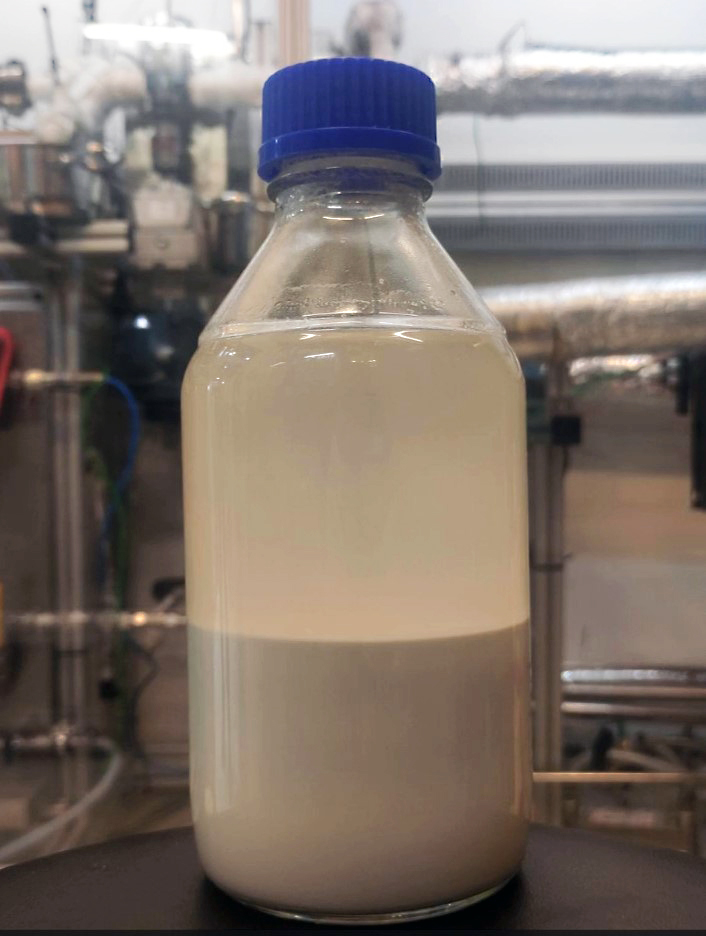
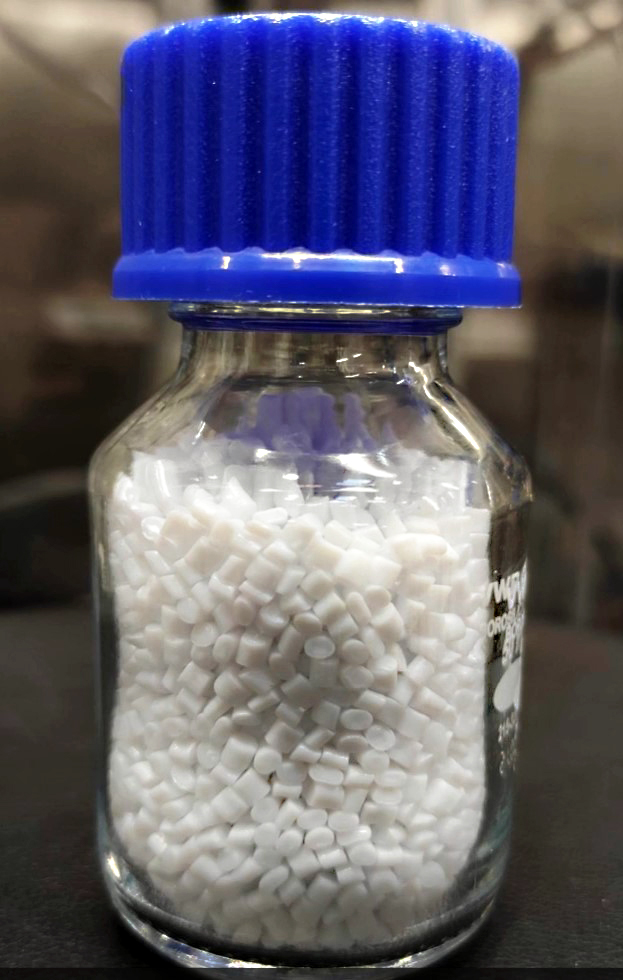
The conversion of PET waste takes place in the flow reactor at Aalborg University, and Aarhus University is turning the solid product from the process into virgin-grade rPET. Here, collaborations with the industry continue to develop different types of resin depending on the purpose.
Finally, Roskilde University will gather data from the different project partners to develop a business plan and assess the environmental benefits of the PETfection value chain.
Not designed for recycling
But the project does not stop here. One of its key outcomes will be a design-for-recycling guide for manufacturers of plastic products. This guide will draw on the collective expertise of all project partners, spanning the entire process, from waste collection to the production of rPET. It will illustrate how specific design choices can simplify the recyclability of plastic products while still maintaining their performance and quality.
- After all, many products are designed to last for a long time - not to be recycled, says Thomas Helmer Pedersen, who estimates that the time frame to complete the demonstration project is five years.
The project has contributed to three academic "papers" that show the understanding of the chemical processes from the fundamental principles to the practical application of the technology. Two of these publications are publicly available, trying to follow the open access principle that knowledge should be available to everyone. (Paper 1, Paper 2). Apart from these already published papers, one is in peer-review, and many are others are in the pipeline. In addition, students from the project have participated in European (Malaga, Spain) and International (Sendai, Japan) conferences, disseminating the work of PETfection.
Read more
About the author
Steen Ancher
Head of Communication