
DECOUPLE - Focus on closed-loop recycling
Project Period: December 2023 – November 2025
Project Status: Finalized Pool: TRACE Pool 1
Lead: Danish Technological Institute
The overall focus of DECOUPLE is to maximise the economic and environmental value of textiles. The partners are therefore also working on technical and design methods that lower the barriers to reuse and recycling. Among other things, new industrial products made from recycled fibres are being developed and analysed.
"As a textile company, we face similar dilemmas as we all do at the supermarket. Should you choose the organic cucumber imported from abroad or the domestic conventional cucumber? Our company sells textile products that are designed for durability. At the same time, we want to use recycled fibres, but can these things go hand in hand so that we don't compromise on quality and longevity? We look forward to learning more about this through the project," says Dorthe Hestbjerg Jensen from ID® Identity.
Project Partners:
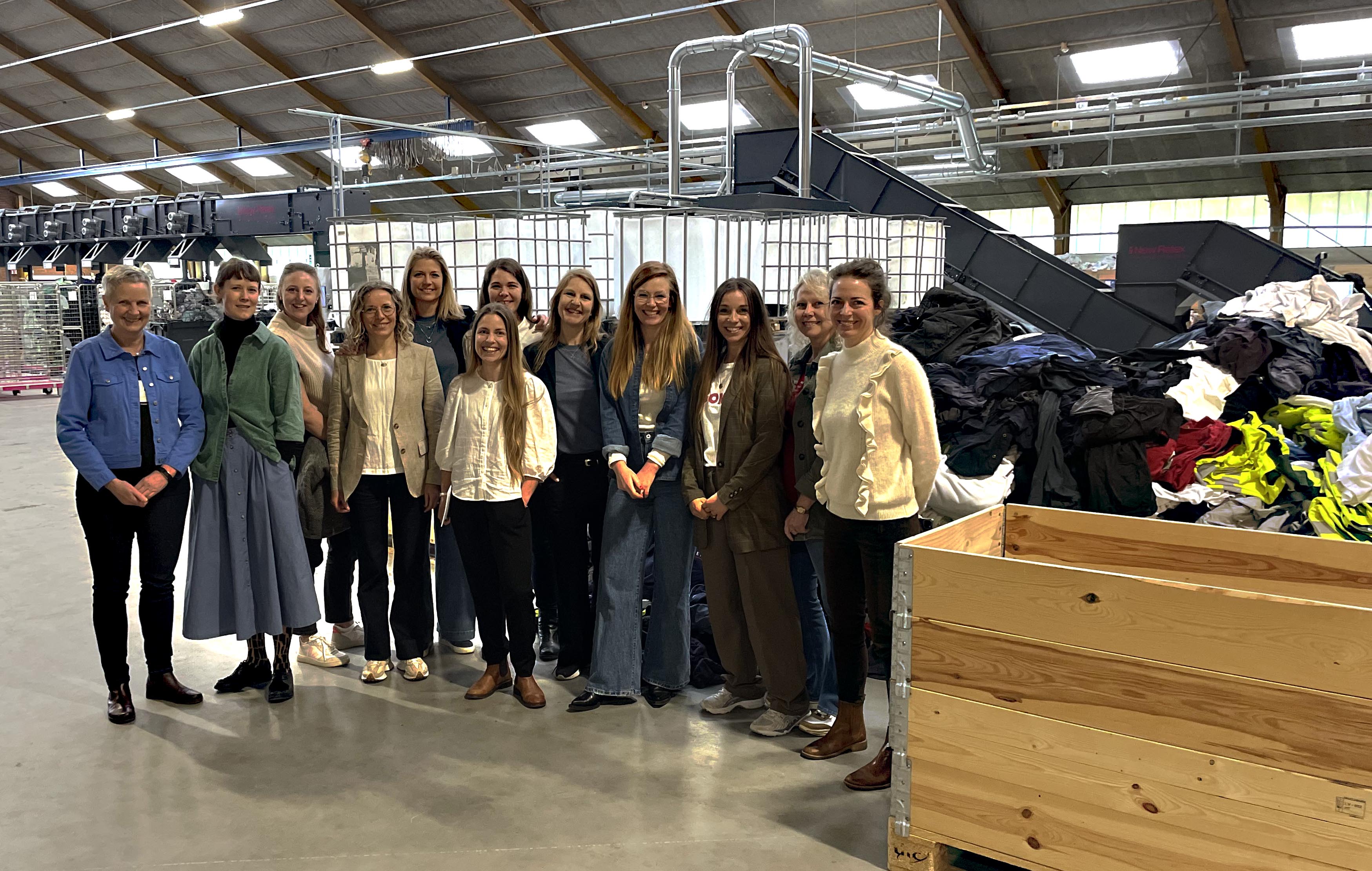
DECOUPLE is a collaboration between Elis, ID® Identity, Design School Kolding, NewRetex, University of Southern Denmark and Danish Technological Institute.
New textile project will increase circularity for industrial textiles
How do we ensure that the circular textile industry of the future is also economically sustainable? The DECOUPLE project will pave the way by using product data to extend the lifespan of textiles in the laundry industry.
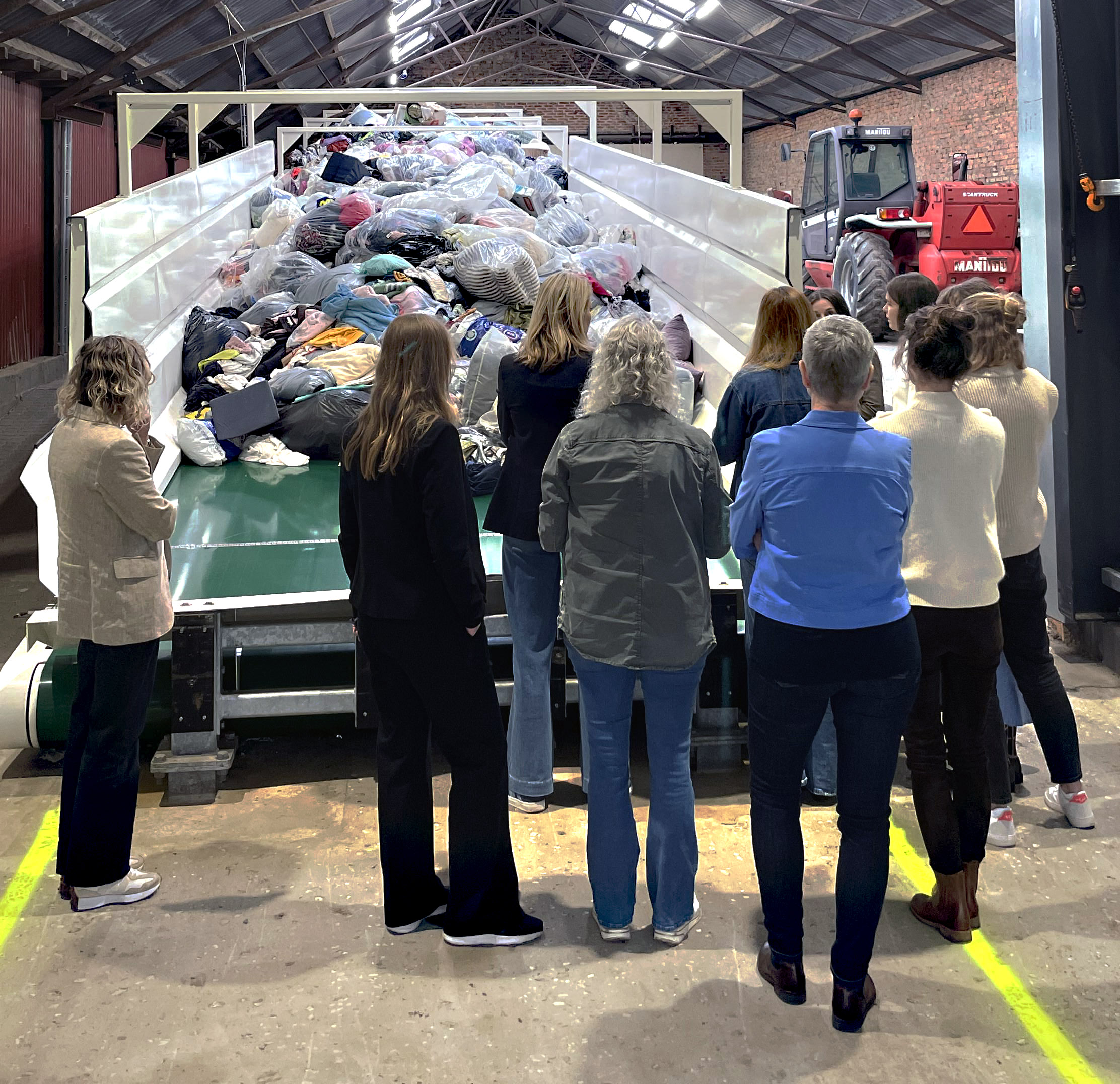
Once a rented work uniform has been used, what is the most sustainable next step? Should it be washed and rented out again? Should it be repaired? Or should it be recycled into new textile materials? The options are many, and without accurate data, it can be difficult to make the right decision to ensure the uniform has the longest possible lifespan. A key ambition of a new project called DECOUPLE is therefore to help companies make more responsible choices based on their own product data.
- The textile industry is facing a green transition and must make complex choices that support both sustainability and business. At DECOUPLE, we want to help them make the best data-driven, circular choices. At the same time, we work holistically with solutions that extend the lifetime of textiles and remove barriers to closed-loop recycling, says Project Manager Julie Stokkebro Schmøkel from Danish Technological Institute (DTI).
Data will help make more environmentally friendly decisions
One of the participants in the project is Elis, a textile company that rents and maintains textiles for private and public workplaces. The company has detailed information on 6.4 million textile products. The data will help navigate the complex handling of products to make decisions about material selection, repair and recycling that maximise economic and environmental value.
- The project is super exciting because we already know a lot about our products and their life cycle in the washing process. This data will be analysed so that it can guide us even better and ensure the longest possible lifespan for our products at the customer's site. It will also support us in our development of products with recycled materials together with the other partners in the project, says Christina Saxkjær from Elis.
The goal is for Elis' data-driven decision-making to inspire other companies, also outside the textile industry, to use their wealth of product data to increase sustainability.

Project Results
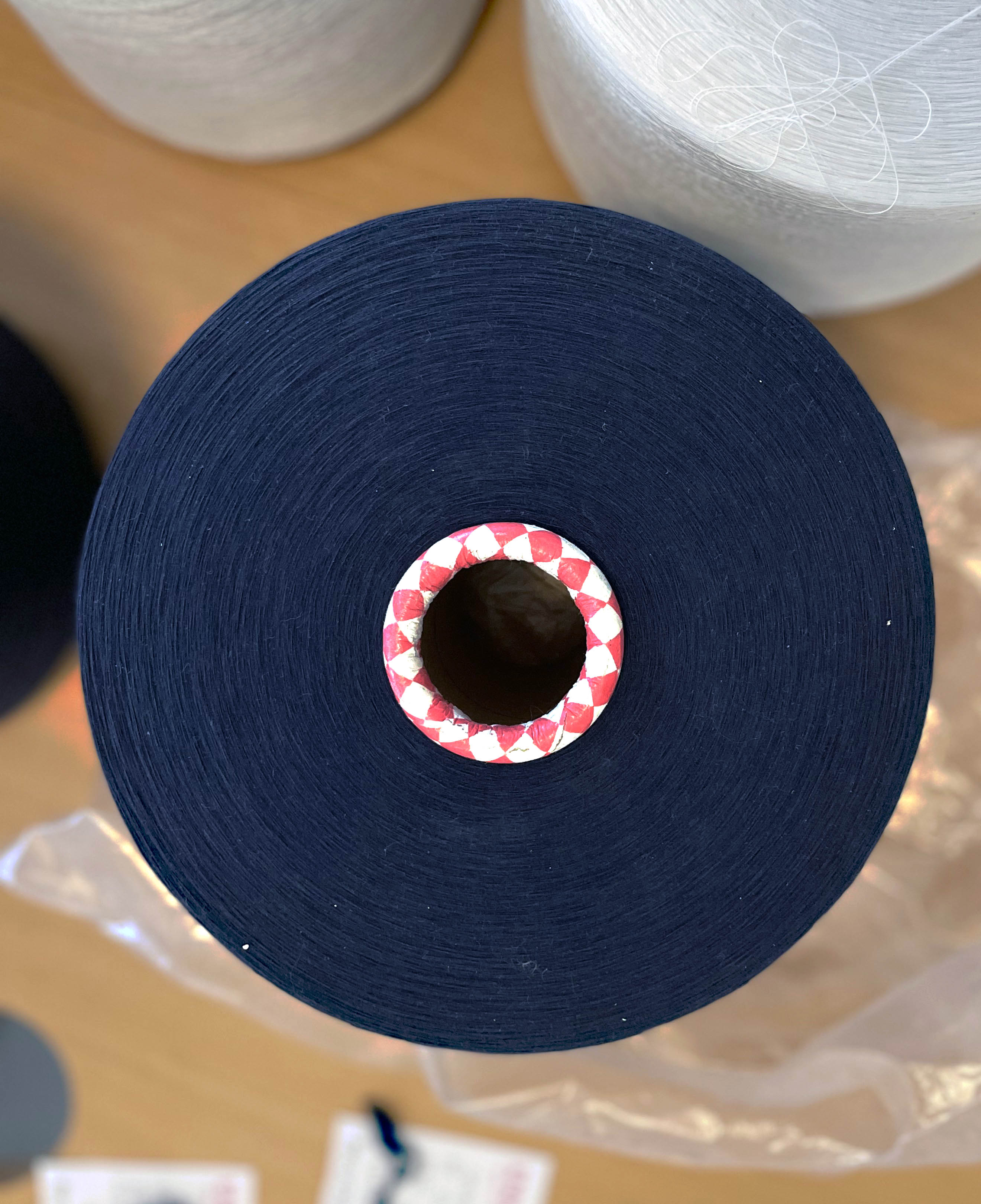
The DECOUPLE project has advanced circularity in textiles by developing data-driven tools, new assessment standards, and practical solutions for repair, remanufacturing, and reuse. Prototype t-shirts with high recycled content showed technical potential, but quality and cost remain barriers to large-scale adoption.
The project found that extending product lifespans delivers stronger environmental and economic benefits than recycling alone and highlights the need for procurement reforms to scale circular textiles in both public and private sectors.
Key Learnings
Data-driven insight: Stronger data on discard reasons enables better decisions, targeted action, and longer garment lifespans.
Input material and processing: Selection and analysis of input materials and focus on spinning, knitting and dyehouse finishing are crucial for successful recycling and refurbishment.
Recycled content: High recycle content is technically feasible but currently leads to higher price and challenges with comfort and appearance—mixing recycled and virgin fibers optimizes performance.
Extending textile lifespan: Avoiding logos, repairing with transfer patches, assessing damages using an objective assessment tool, and optimizing laundry processes can prolong product life.
Decision-making tool: New tool helps choose between recycled and virgin content based on environmental impact, design demands, and production location.
Market barrier: Price is a showstopper for recycled-content products in public tenders. Policy and procurement criteria must change to support circular textiles and enable economy-of-scale.


Project Outlook
DECOUPLE has resulted in specific action points to systemic change in textile circularity, with tools and insights already driving real-world implementation. The project’s methods are being rolled out nationwide at Elis. Findings highlight the need for updated procurement policies and inspire new directions in technology, product design, and recycling innovation. The DECOUPLE project proves that coordinated, data-driven approaches can accelerate both environmental and economic benefits—pointing the way toward truly sustainable and circular textile systems.
For more information about the project, see the Project brochure linked below.
Project Leader

Signe Strange Grønborg
Mail: sgro@teknologisk.dk
Other Textile Projects


